Skip to content

Skin Cancer Clinic

Skin cancer check with dermoscopy

Skin Cancer Clinic

Australia has the highest skin cancer rates in the world, and the Gold Coast sun isn't kind to anyone. Roughly two in three Australians will be diagnosed with skin cancer by the age of 70. Our skin cancer team is led by Dr Ajay Kuriakose and Dr David Simpson, both trained in advanced dermoscopy and skin cancer surgery through the Australian College of Cutaneous Oncology. We do the checks, biopsies, surgical removal, and ongoing management all in one place.

What We Offer

What we cover at the skin cancer clinic:

  • Skin Checks
  • Skin Cancer Management
  • Field Therapy
  • Flap & Graft Surgery
  • Melanoma Management
  • Surgical Treatment
  • Curettage & Electrodesiccation
  • Head & Neck Surgery
Skin Cancer Clinic services at Worongary Medical Centre

Who's at higher risk

Some people need skin checks more often than others. You're at higher risk if you have:

  • Fair skin that burns rather than tans
  • Freckles, light eye colour, light or red hair
  • Lots of moles, or unusual ones
  • A weakened immune system
  • Melanoma in a parent, sibling or child
  • A previous melanoma or actinic keratosis

The ABCDE rule

If you're checking your own skin between visits, the ABCDE rule is a useful starting point. Look for any mole that's Asymmetric (one half doesn't match the other), has a Border that's irregular or blurred, has Colour that varies across it, has a Diameter bigger than a pencil eraser (about 6mm), or is Evolving (changing in size, shape, or colour over weeks). Any of those is worth having checked.

Sun protection on the Gold Coast

The Gold Coast gets serious UV most of the year. SPF 50+ sunscreen every day, hat and sunnies, and shade between 10am and 2pm where possible. Tanning beds are off the table. Daily protection plus regular professional checks is the most effective way to keep your skin cancer risk down.

  • Electrocardiography (ECG)
  • Lung Function Testing (Spirometry)
  • Ankle-Brachial Pressure Index (ABPI)
  • Ear Syringing
  • Immunisations
  • Minor Surgical Procedures
  • Wound Care & Management
  • Iron Infusions
  • Medication Reviews
  • Diabetes Educator
  • Dietitian
  • Physiotherapy
  • Podiatry
  • Pathology
  • Commercial Driving Medical
  • Exercise Physiology
  • Workcover & Injurynet

Allied health referrals are coordinated by your GP during your consultation. Most allied health services are provided by external practitioners in the local area. Your doctor will arrange the appropriate referral and provide you with the necessary documentation. Some allied health services may attract a Medicare rebate when referred under a care plan.

Frequently Asked Questions

What does a skin cancer check involve?

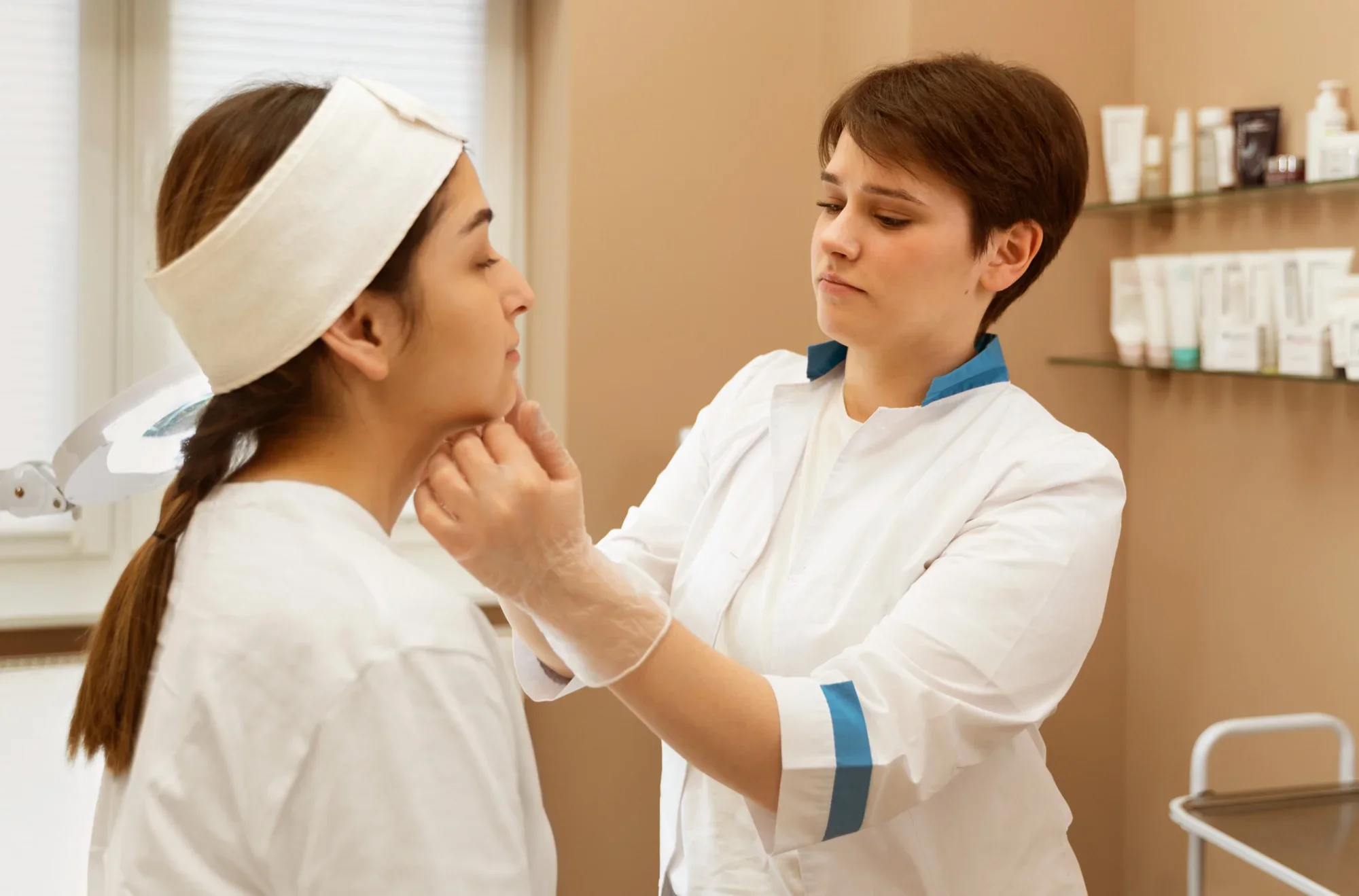
A careful look at all your skin using dermoscopy, which is a handheld magnifier that lets the doctor see far more detail than the naked eye. Anything that looks suspicious is either monitored or biopsied. If you have a lot of moles or higher risk factors, we may do total body photography to track changes over time.

How often should I get a skin check?

Once a year is a sensible starting point if you live on the Gold Coast. If you have fair skin, lots of moles, a history of bad sunburn, or a family history of melanoma, you may need them every six months. Your doctor will suggest the right interval.

What are the warning signs of melanoma?

The ABCDE rule covers it: Asymmetry, Border irregularity, Colour variation, Diameter larger than 6mm, and Evolving (changing in size, shape or colour). Anything new or changing should be checked by a doctor with dermoscopy training.

Does Medicare cover skin cancer checks?

Yes, the consultation is covered like any other GP visit. There may be a small gap to pay depending on what's involved, and any procedures (biopsies, excisions) have separate Medicare item numbers. The doctor will let you know up front.

When you're ready

You can book online through HotDoc, or give the clinic a ring. We'll sort out a time.